
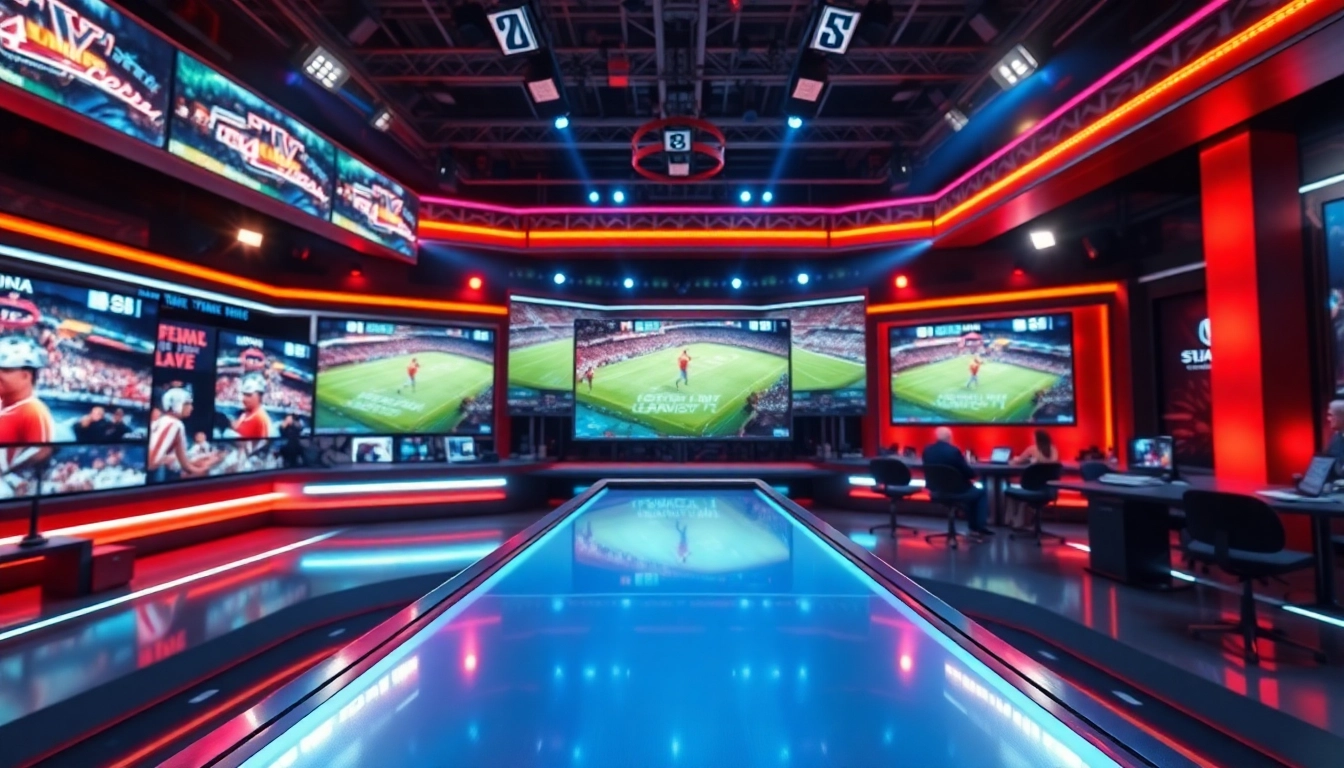
Understanding the Landscape of Sports Broadcasting
The world of Sports Broadcasting is a dynamic and evolving arena that deeply influences how we consume sports. With the fusion of technology, media, and audience engagement strategies, it has become a multifaceted discipline. This section delves into the historical progression, key players, and the importance of engaging audiences in the realm of sports broadcasting.
The Evolution of Sports Broadcasting
Sports broadcasting has undergone significant transformations since its inception. It began in the early 20th century with radio broadcasts, allowing fans to experience live games from the comfort of their homes. The introduction of television in the 1950s revolutionized the industry, bringing sports directly into living rooms and creating iconic moments that would be remembered for generations.
With the advent of cable television, sports networks proliferated, providing 24/7 sports coverage. This expansion paved the way for specialized networks that cater to specific sports, allowing for more focused content. The last decade has witnessed the rise of digital streaming platforms, enabling viewers to consume sports content anytime and anywhere. This shift not only changed how games are broadcasted but also how they are marketed and monetized.
Key Players in Sports Broadcasting
The landscape of sports broadcasting is characterized by an array of key players, including traditional sports networks, digital platforms, and social media. Major television networks and cable channels have historically held the rights to broadcast major sporting events, securing their place as primary sources of sports entertainment. Meanwhile, platforms like YouTube, Twitch, and various sports-specific apps have emerged, targeting younger audiences who prefer to engage with content on their terms.
Furthermore, leagues and organizations themselves are becoming influential broadcasters, streaming games on their platforms to gain direct access to fans. This shift democratizes content dissemination, but it also complicates the competitive landscape, requiring traditional broadcasters to innovate continually.
Importance of Audience Engagement
In today's saturated media environment, audience engagement is crucial for the success of sports broadcasting. The competition for viewers is fierce; hence, broadcasters must find creative ways to connect with audiences emotionally and interactively. Engaging fans through win-loss records, player statistics, or behind-the-scenes access can create a more immersive experience. Social media plays a vital role in audience engagement; platforms like Twitter and Instagram allow fans to interact with commentators, players, and teams in real time.
Additionally, gamification elements, such as fantasy sports leagues and interactive quizzes about game outcomes, can significantly enhance viewer involvement, transforming passive viewers into active participants.
Essential Techniques and Tools for Effective Broadcasting
Technology that Drives Sports Broadcasting
Technology serves as the backbone of modern sports broadcasting, enhancing the viewer experience and expanding reach. High-definition cameras, multiple viewing angles, and advanced graphics software allow broadcasters to present sports content in ways previously thought impossible. Additionally, innovations like drone technology provide aerial views of complex plays, while slow-motion replay systems allow fans and analysts to dissect pivotal moments thoroughly.
Moreover, the integration of analytics into broadcasts has become increasingly popular. This data-driven approach not only informs fans about player performance but also enhances tactical understanding, making broadcasts more enriching.
Production Techniques to Enhance Viewer Experience
Producing high-quality sports broadcasts requires a comprehensive strategy covering all aspects of content creation from pre-production through post-production. Effective camera placements, dynamic editing styles, and the use of innovative graphics can significantly enhance the viewer's experience. Utilizing experienced commentators who can articulate plays, provide context and engage with the audience is equally essential to deliver compelling broadcasts.
Furthermore, incorporating interactive elements, such as live polls or real-time statistics, can elevate the user's experience and create a more conversational tone, blurring the line between traditional and interactive broadcasting.
Formulating a Broadcasting Strategy
A robust broadcasting strategy is necessary to navigate the competitive sports media landscape. This involves choosing the right mix of content delivery methods, determining optimal scheduling, and understanding audience preferences. Broadcasting strategies should leverage data analytics to segment viewers effectively and create tailored content that resonates with their specific interests.
Furthermore, partnerships with sports leagues, local clubs, and even cryptocurrency or NFT platforms can introduce new revenue streams and fan engagement tactics. Establishing a strong brand identity and maintaining consistent messaging across platforms enhances credibility while fostering viewer loyalty.
Choosing the Right Format for Sports Broadcasting
Live vs. Pre-recorded Broadcasts
The choice between live and pre-recorded broadcasts shapes viewer engagement and the overall strategy. Live broadcasts create a sense of urgency, increasing viewer engagement through real-time participation, while pre-recorded broadcasts allow for polished storytelling and strategic editing. Each format has its benefits; live broadcasts foster community through shared experiences, while pre-recorded segments can present in-depth analysis and additional layers of narrative.
Broadcasters must weigh these options carefully, considering their target demographic and the type of sporting event. While traditional events like the Super Bowl thrive on live broadcasting, features like athlete interviews and highlight reels lend themselves well to pre-recorded formats.
Interactive Broadcasting: Engaging the Audience
Interactive broadcasting represents a cutting-edge approach that brings fans closer to the action than ever before. This format allows viewers to influence outcomes, participate in polls, or join live discussions directly during events. By integrating social media into broadcasts, viewers can contribute to the dialogue, share insights, and interact with hosts, transforming passive viewers into active participants.
Moreover, virtual watch parties and live-streamed events with integrated chats facilitate audience interaction, providing an opportunity to build connections among fans and create shared experiences around sports.
Specialized Formats in Sports Broadcasting
Specialized formats target niche audiences, catering to specific interests within the vast realm of sports. These can include highlight shows focusing on key moments, analysis programs for tactical breakdowns, and even podcasts dedicated to particular sports or leagues. Capitalizing on specialized formats allows broadcasters to carve out unique identities while forging deeper connections with dedicated fan bases.
As media consumption habits continue to evolve, embracing these specialized formats can lead to innovative content delivery methods, appealing to diverse fandoms and elevating overall viewer satisfaction.
Evaluating Success Metrics in Sports Broadcasting
Key Performance Indicators to Track
To ascertain the effectiveness of sports broadcasting strategies, it’s essential to track various Key Performance Indicators (KPIs). Metrics such as viewer ratings, engagement rates across social media platforms, and the number of unique viewers provide insights into audience behavior. Additionally, monitoring ad impressions and revenue generation linked to specific broadcasts helps evaluate financial performance.
Other relevant KPIs include average viewing duration, audience retention rates, and website traffic generated during broadcasts, which all facilitate the fine-tuning of content strategies.
Understanding Viewer Demographics
Comprehending viewer demographics is crucial for tailoring content that resonates with specific audiences. Gathering insights on age, gender, location, and viewing habits empowers content creators to develop targeted strategies. This data can be collected through surveys, app analytics, or social media interactions, providing a clearer picture of existing viewer bases.
Understanding who watches helps broadcasters create personalized experiences, ensuring content remains relevant and engaging to different audience segments.
Improving Future Broadcasts Through Feedback
Feedback mechanisms are integral to enhancing the quality of sports broadcasts. Actively soliciting viewer feedback through online surveys, social media engagements, or live comments allows broadcasters to understand audience preferences and areas for improvement. This information can be utilized to adapt strategies, alter content types, and refine delivery methods for greater audience satisfaction.
Moreover, conducting post-event analysis with production teams can facilitate discussions on what worked, what didn’t, and how future broadcasts can be better tailored to meet audience expectations. Engaging with audiences fosters a sense of community and nurtures brand loyalty, ultimately driving viewership in the long run.
Future Trends in Sports Broadcasting
The Impact of Streaming Services
The surge of streaming services has revolutionized the sports broadcasting landscape, enabling viewers to access live events and sporting content on-demand. This shift allows them to watch games across various devices—smartphones, tablets, or smart TVs—enhancing convenience and flexibility.
With the advent of subscription-based models, streaming services can cater to diverse viewing preferences by offering niche sports, exclusive content, and personalized viewing recommendations based on user behavior and interests. This flexibility is driving many traditional broadcasters to rethink their content strategies to compete against these burgeoning platforms.
Virtual Reality and Augmented Reality in Broadcasting
The integration of Virtual Reality (VR) and Augmented Reality (AR) technologies is poised to elevate the sports broadcasting experience further. These technologies enable viewers to immerse themselves in the game like never before, offering environments where they can experience matches or follow players along the field as if they were actually there.
AR can enhance live broadcasts, providing on-screen statistics, player profiles, or team lineups, enriching viewers’ understanding of the game as it unfolds. Keeping pace with these innovations will be essential for broadcasters wishing to remain relevant in an increasingly tech-savvy market.
The Role of Social Media in Sports Engagement
Social media platforms are integral to modern sports broadcasting, serving as conduits for real-time updates, fan engagement, and promotional content. Live-tweeting games, sharing highlights, and engaging fans through polls or Q&A sessions during broadcasts helps form a real-time connection with the audience.
Furthermore, archived content reshaped for platforms like Instagram and TikTok can engage younger audiences, ensuring broadcasters tap into emerging trends while maximizing their outreach. Utilizing user-generated content adds authenticity, making fans feel a part of the broader sporting community.
FAQs About Sports Broadcasting
1. What is sports broadcasting?
Sports broadcasting involves the live or recorded transmission of sporting events through various media channels such as television, radio, and digital platforms.
2. How has technology changed sports broadcasting?
Technology has introduced high-definition visuals, instant replays, live analytics, and innovative production techniques, enhancing viewer engagement significantly.
3. Why is audience engagement crucial in sports broadcasting?
Audience engagement fosters loyalty, enhances viewer satisfaction, and increases viewership, making it vital in a competitive broadcasting environment.
4. What role does social media play in sports broadcasting?
Social media acts as a platform for real-time fan engagement, updates, and sharing highlights, thus augmenting the viewing experience and audience interaction.
5. What are key performance indicators (KPIs) in sports broadcasting?
KPIs in sports broadcasting include viewer ratings, engagement metrics, and ad revenue, which help evaluate the effectiveness of broadcast strategies.